|
|
| node: | Magic of the Ukrainian Carpathians in Maria Khymynets’s Art |
| template: | 4 |
| parent: | ᴄᴠʟᴛᴏ ᴀᴛᴀᴠɪꜱᴍᴏ |
| owner: | or.lock |
| viewed by: | |
| created: | 27.02.2025 - 11:39:54 |
|
cwbe coordinatez: 809096 5484825 7682973 9225233 ABSOLUT KYBERIA |
| permissions | |
| you: | r, |
| system: | public |
| net: | yes |
total descendants::0
total children::0
33 ❤️
| aarin | 0 |
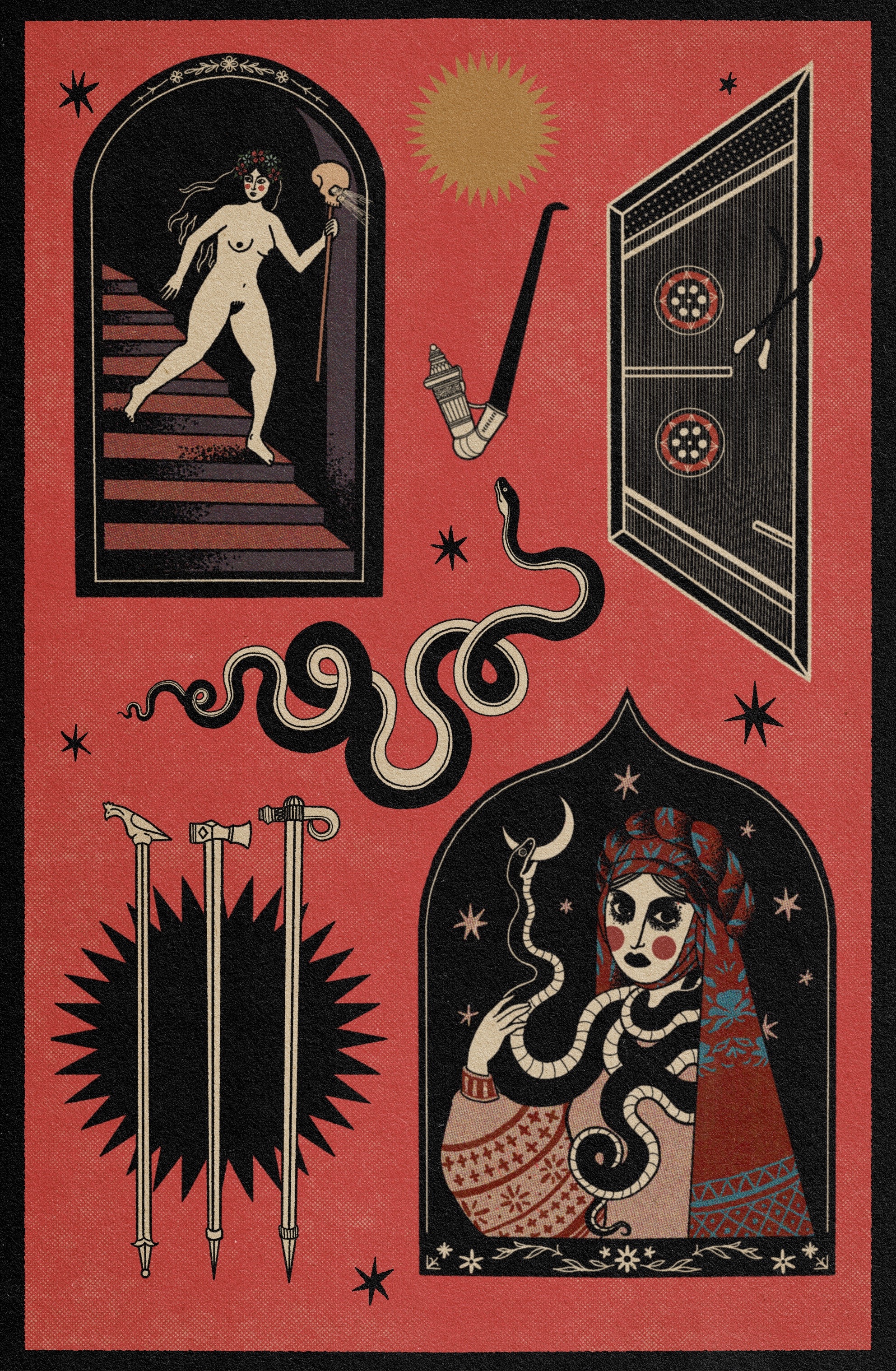
Maria Khymynets is a Ukrainian artist born on the Western side of the Carpathian Mountains in the town of Užhorod. She works with graphic art, painting, woodcarving and printmaking as well as digital art. The main topic in her art is Ukrainian and Carpathian-Ukrainian mysticism and magic, reflection on the Old Ways and Old Religion that are going through their rebirth.
Please, be a guide to us: tell us your vision of Carpathian-Ukrainian Mysticism and witchcraft...
Growing up in the Carpathian community one is surrounded by the syncretic believe system that is deeply rooted in ones everyday life; every holiday, every ritual and every tradition has ancient pre-Christian roots. Where the elements of Christianity are present, and at first sight dominant, they are practically playing a role of a thin layer on the older traditional pagan core, where the church couldn’t get rid of the folk traditions it just gave them Christianized names.
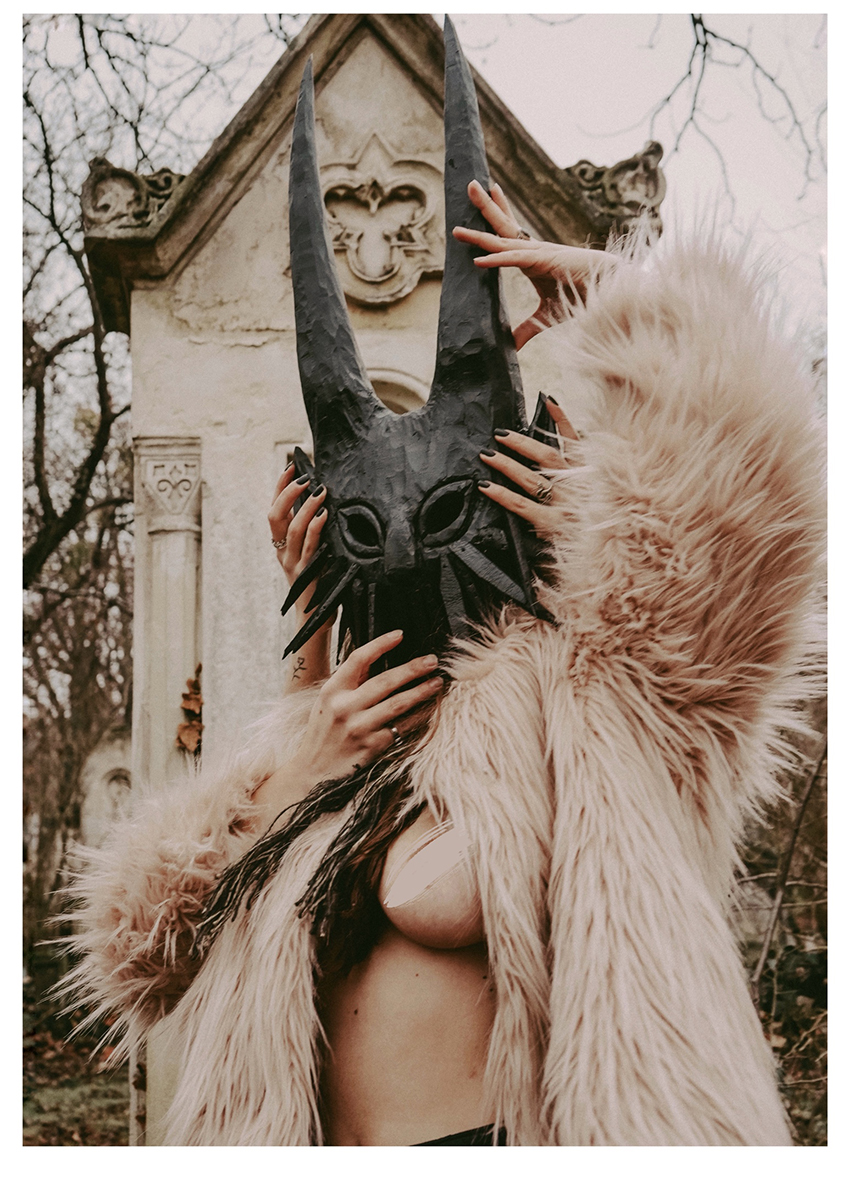
Even people, that consider themselves god-fearing Christians, will thoroughly follow every step of the ancient ancestral ritual on the days when the Dead walk the Earth. While it is nothing new or unique, as we can see it in every country and every tradition (just one look at the roots of Easter or Christmas makes it very obvious that it has very little to do with Jesus or the Abrahamic God), Ukrainian, and Carpathian-Ukrainian in particular, traditional elements, Gods and rituals remained mostly unknown to the western theologists, not even mentioning regular people who would be interested in such things.
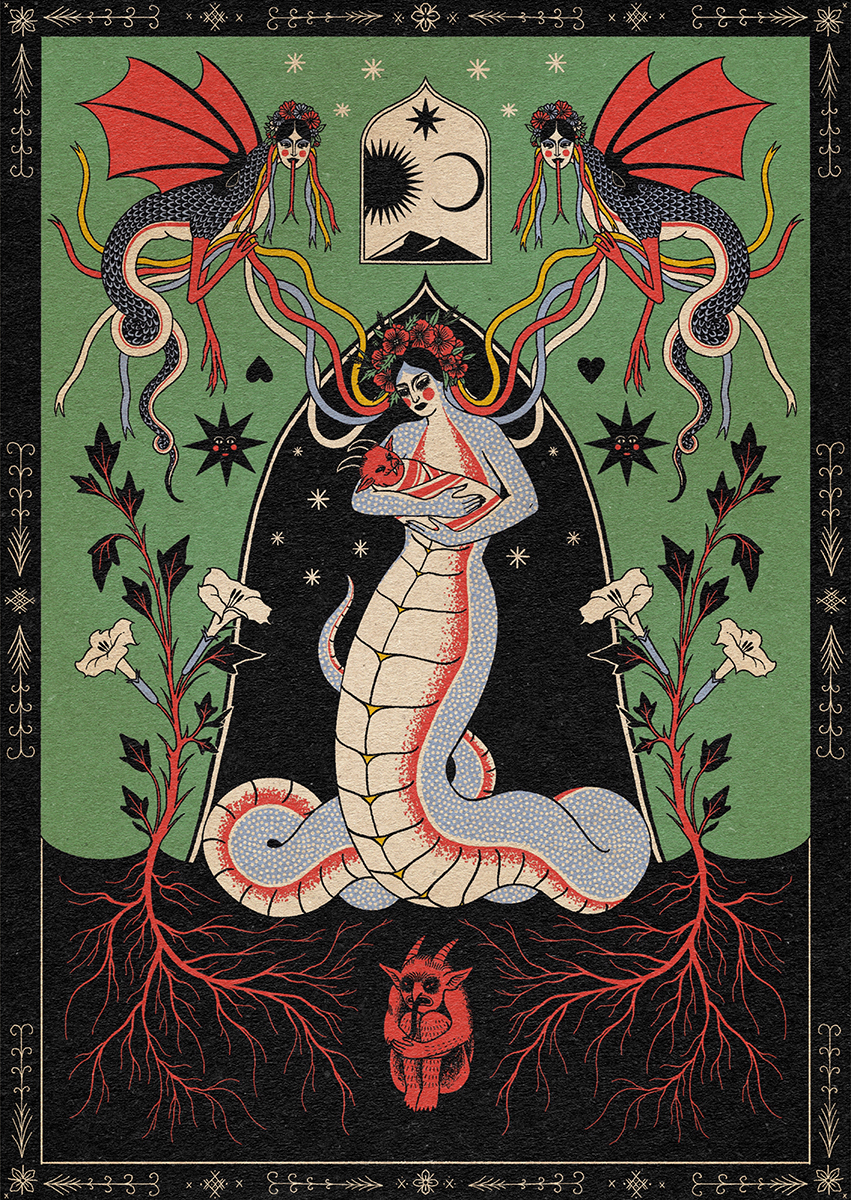
English sources about Ukrainian religion and beliefs are extremely poor, often put in a pile of all-general slavic paganism, or polluted by the imperialistic narratives of russian “experts” who would belittle Ukrainian history, if not even deny it, or claim it as their own (which is ironic, since russians have from very little to nothing at all to do with slavic tribes, traditions or religions). There are a lot, and I mean A LOT, of works by prominent Ukrainian ethnographers, folklorists and historians about various topics on Ukrainian magic, traditions, demonology and mythology that have never been translated into English.
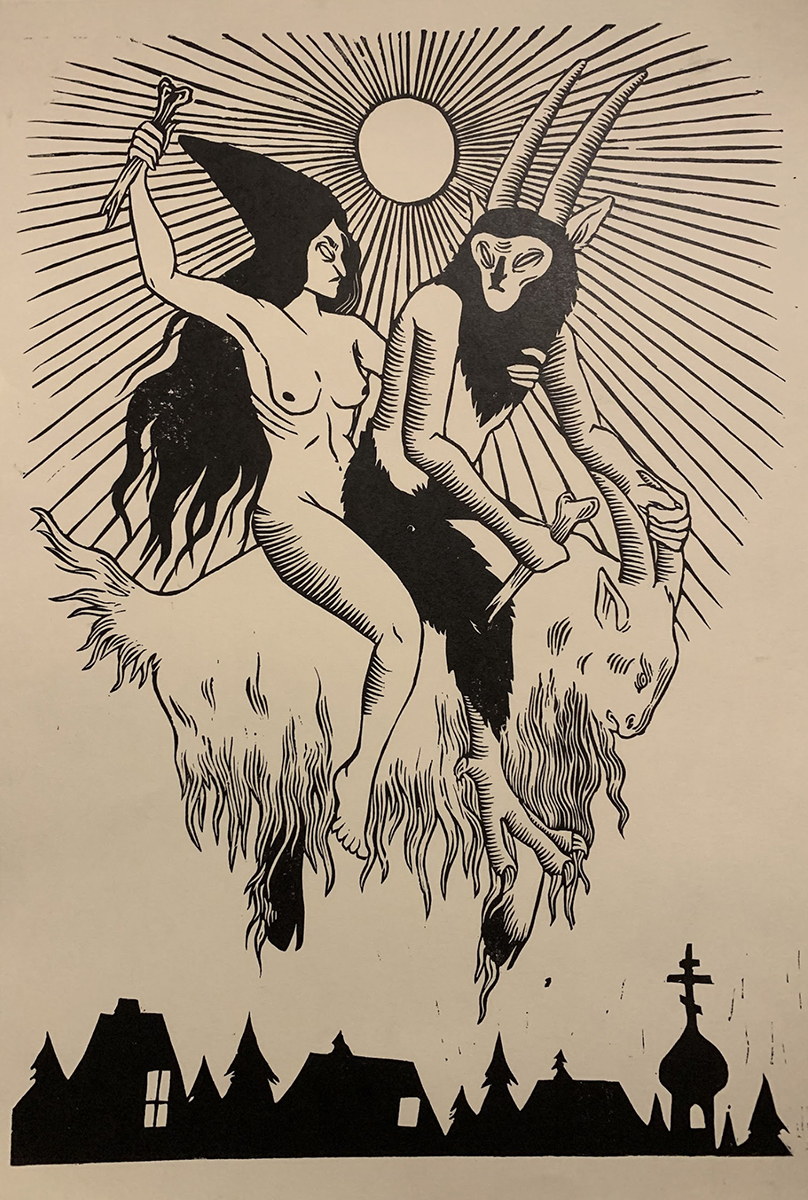
Now it is our duty as a young Ukrainian followers of our Folk Faith to shed a light on our practices and our deities.
To understand a Ukrainian witch or a Carpathian Molfar (Carpathian magician), it is important to know what do they tie their practices to religiously. As it was mentioned before, contemporary Ukrainian believes are syncretic. Of course, it wouldn’t be possible to cover the whole structure of the Old Religion and traditions in one sitting, but let’s take a look at the main holidays of Ukraine without the veil of the new religion, Christianity.
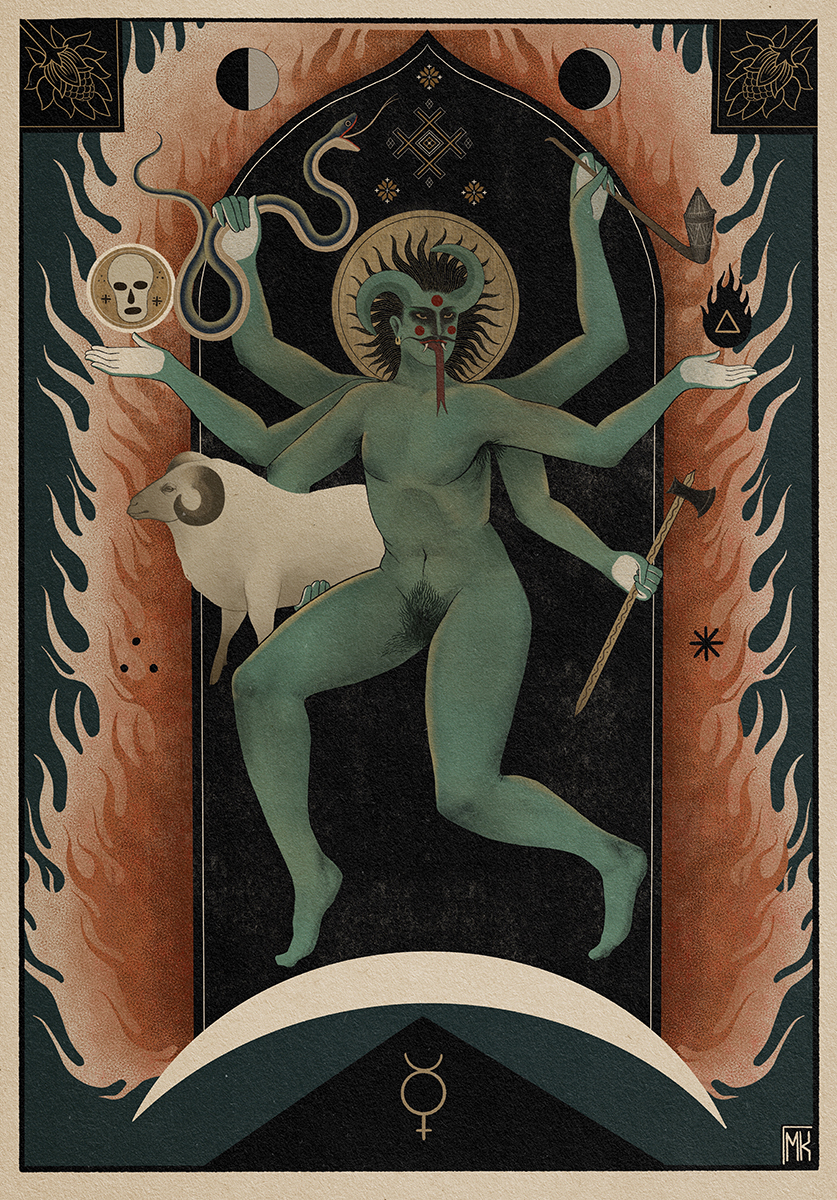
As many countries during pre-Abrahamic times, Ukrainians were of polytheistic beliefs with elements of animism, nature worshipping and the ancestral cult, most of which remained active until today. Main holidays were based on the life circle of the Sun god, which is similar to the concept of the “Wheel of the Year” in Western New Age paganism.
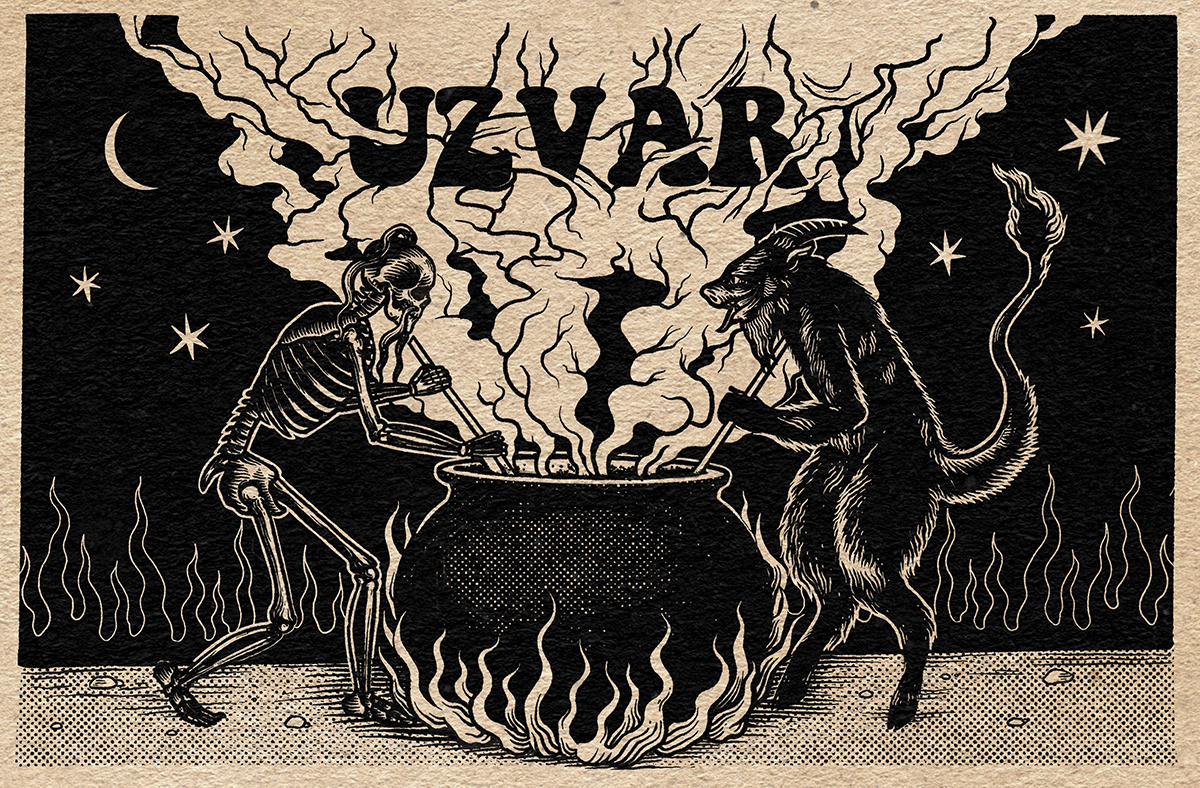
“Why particularly Sun god, not the Moon goddess or the Thunder god?” one may ask, well, while the other gods were of no less importance, it was mainly the life circle of the Sun god that would help Ukrainians to create their harvest calendar. Ukrainian Sun god had many names, as he was changing them every year cycle from his birth, to his adolescence and adulthood, to his death. There are four main holidays in the calendar that are tied to the Sun:
Velykden’ of Dazhboh, spring equinox, was celebrated the whole week, this holiday symbolises the beginning of the year as the Sun god is young and strong enough to fight the winter off. As the nature comes back to life, so do the Dead, on Thursday of the Velykden’ week they would walk the earth, so it was important to stay that night at home for regular folk.
Kupailo, summer solstice, also known as the Green Holidays, is the celebration of fertility, which also was celebrated the whole week. One had to be careful walking in the fields, though, as the spirits of the dead would rise yet again and play in the fields.
The Final Harvest, also known as Svitovyd, was celebrated during the autumn equinox. During this time people pay the spirits of the fields and their ancestors for the protection of the wheat fields with sacrifices of honey, bread, milk, wheat and fruits. During the harvest Ukrainians would keep a sheaf of wheat and form it into Didukh – a vessel for the ancestors who would join their families in winter celebrations.
Kolyada, winter solstice, is the night when the young Sun is born again. One of the biggest celebrations of the year, where Ukrainians would invite all the spirits that might harm them or their harvest to join them for the feast, where they would make a peace pact for the upcoming year. Didukh sits at the head of the table, symbolising all the ancestors. He will be burned on the night of the spring equinox, releasing the spirits until the next year.
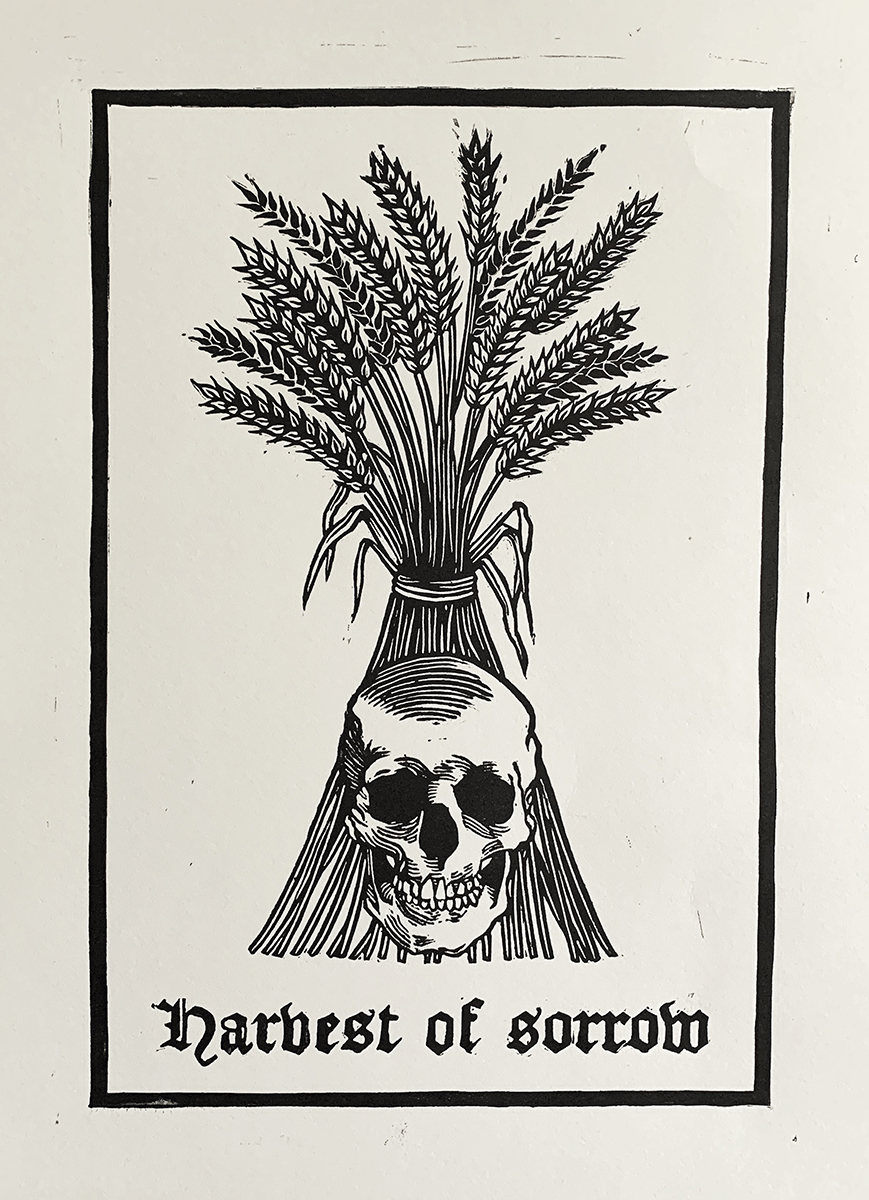
Tradition of witchcraft and magic in Ukraine was and is still strong, every holiday is accompanied by complex rituals, every person would follow them, but there are people, who would do more – Molfars (Carpathian magicians), witches, healers, Kharakternyks (Cossack warrior magicians) etc. While most of the people would stay home and celebrate with their families, magicians would be practicing their sacred craft. Of course, there are dozens of magical days in between, including Lunar days, knowledge of which is crucial for magical practices, but what is important about these four holidays, that were mentioned above, is that the border between our world and the world of the dead disappears.
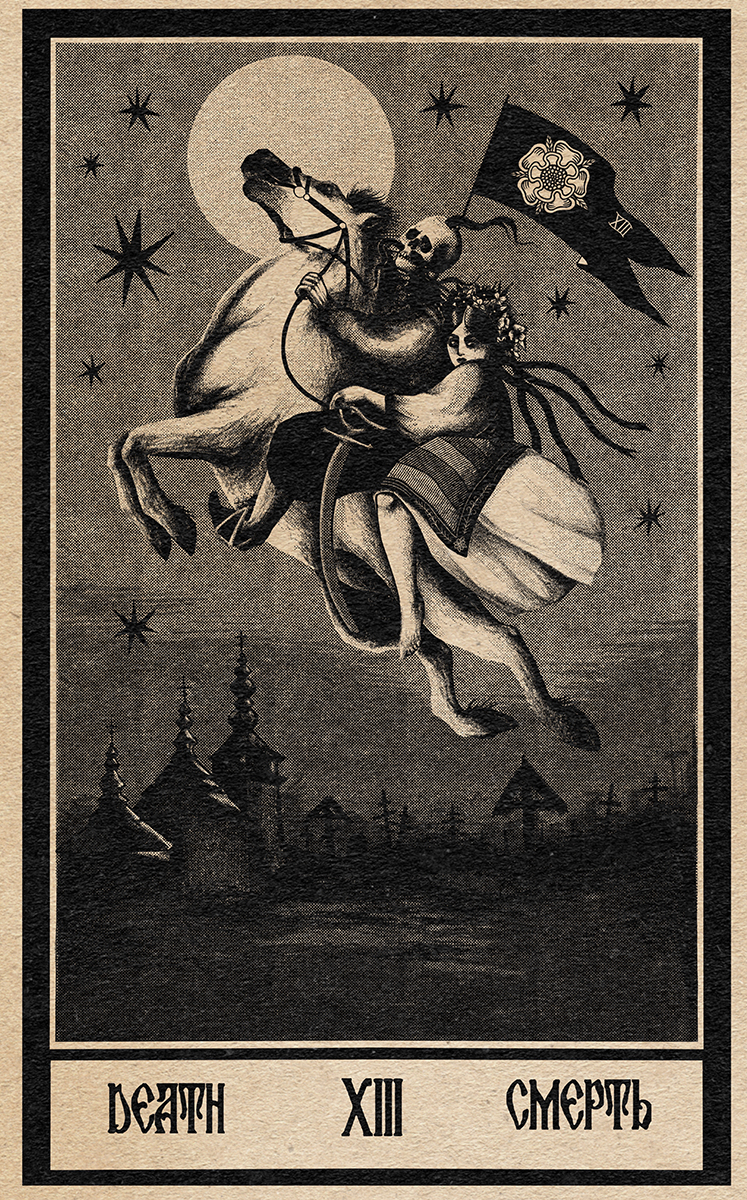
On every mentioned Solar holiday the Dead would come to our world, and it is known, that people of knowledge (witches, molfars, kharakternyks etc.) become even more powerful, as they are believed to have two souls, one of which belongs to the world of the dead. Almost every Ukrainian town or village will have at least one witch, in Carpathian region, though, it is normal to know at least five witches that would live in the same tiny mountain village or around it.
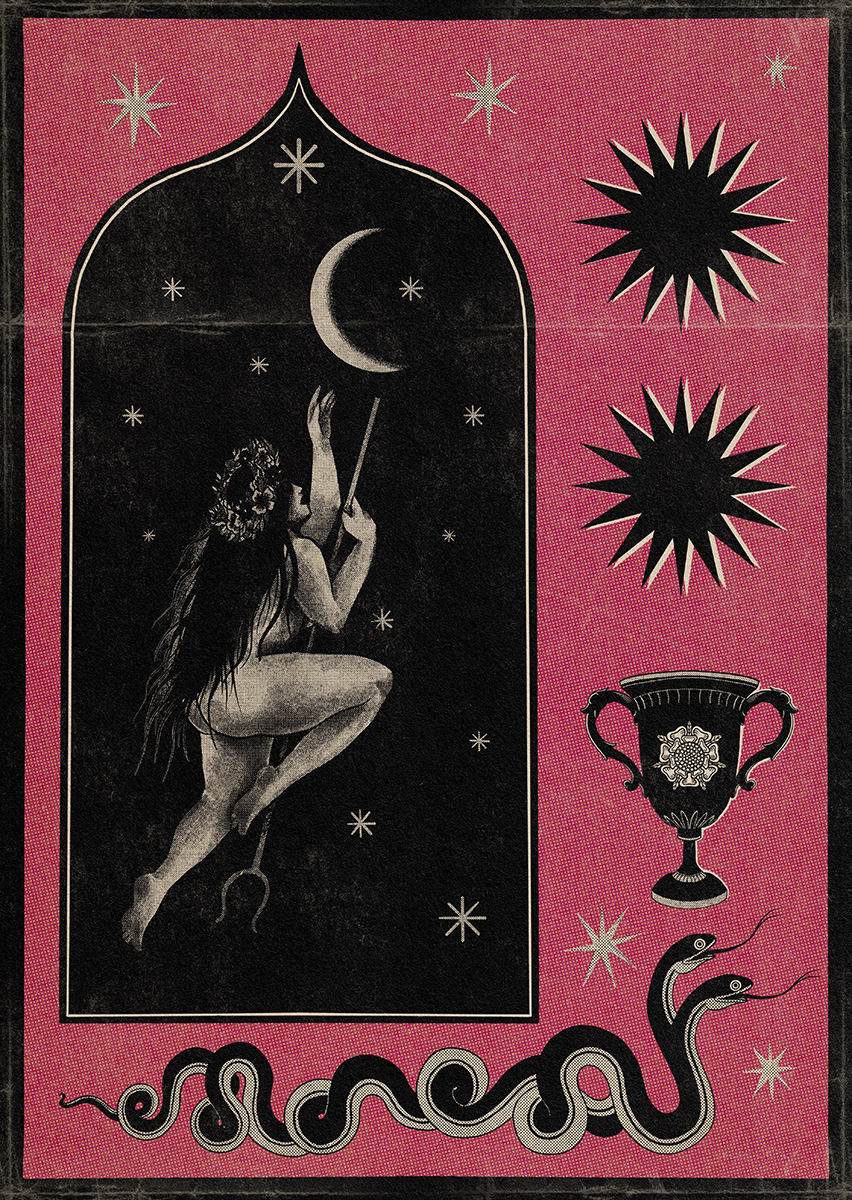
Witch hunts weren’t popular on Ukrainian territory, persecution of magicians would be considered a dangerous thing, and one had to be a fool to go after one of the knowing people. Most villagers in the mountains are proud to have their molfars, Carpathian highlanders consider their molfars and witches important part of the community, who they fear but deeply respect. Most of the time molfars and witches would live outside the village, sometimes on other side of the mountain river or way higher up the mountain, but people would walk this distance to get their help or advise.
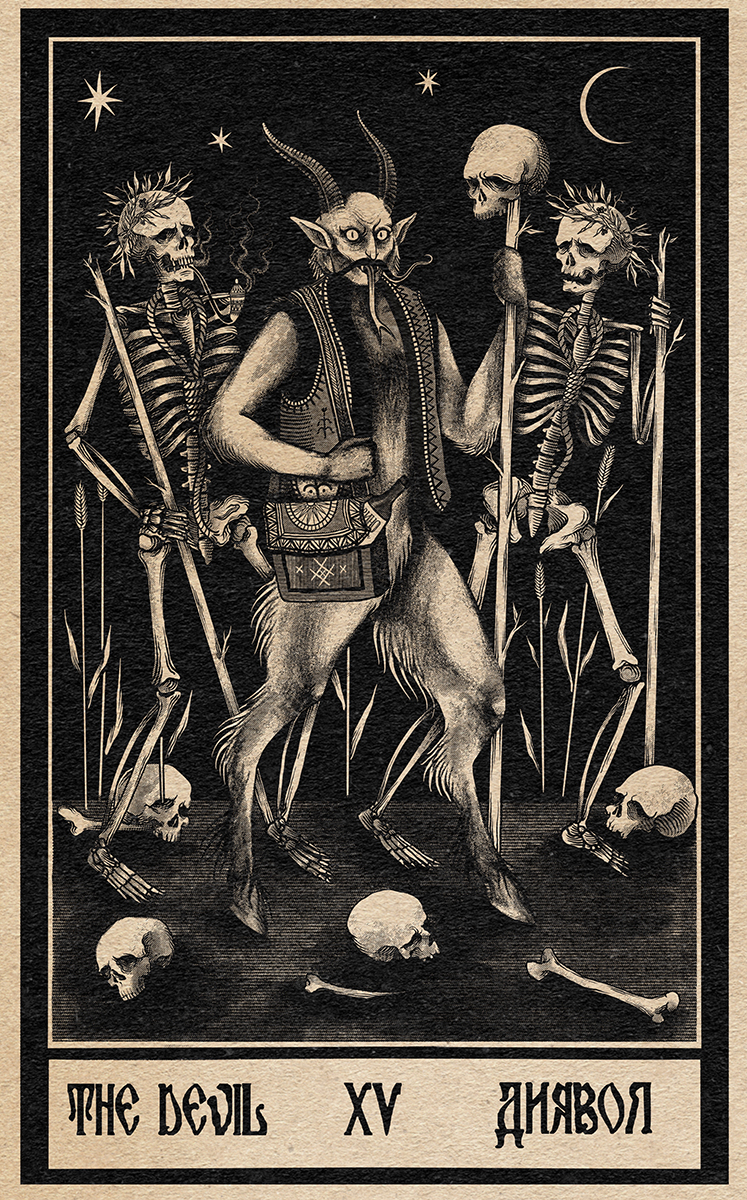
During russian-centrist soviet times, persecutions and terror a lot of traditions became muted for some time, some villages still had their molfars, but they were getting old and couldn’t find anyone young and worthy to give their powers to. Sadly, it was mainly only the Carpathian region that would keep the magical tradition more or less alive, as it was further away from the forever-genocidal russia, and it was the last piece of Ukrainian land that became occupied by the soviets. When in 1994 Ukraine became free from russian-centric ethnofascist soviet grip, when Ukrainians could finally speak their own language, find in archives all the information about their repressed and murdered loved ones, and resurrect their traditions and folklore, people started re-discovering the Old Ways and the Old Gods.
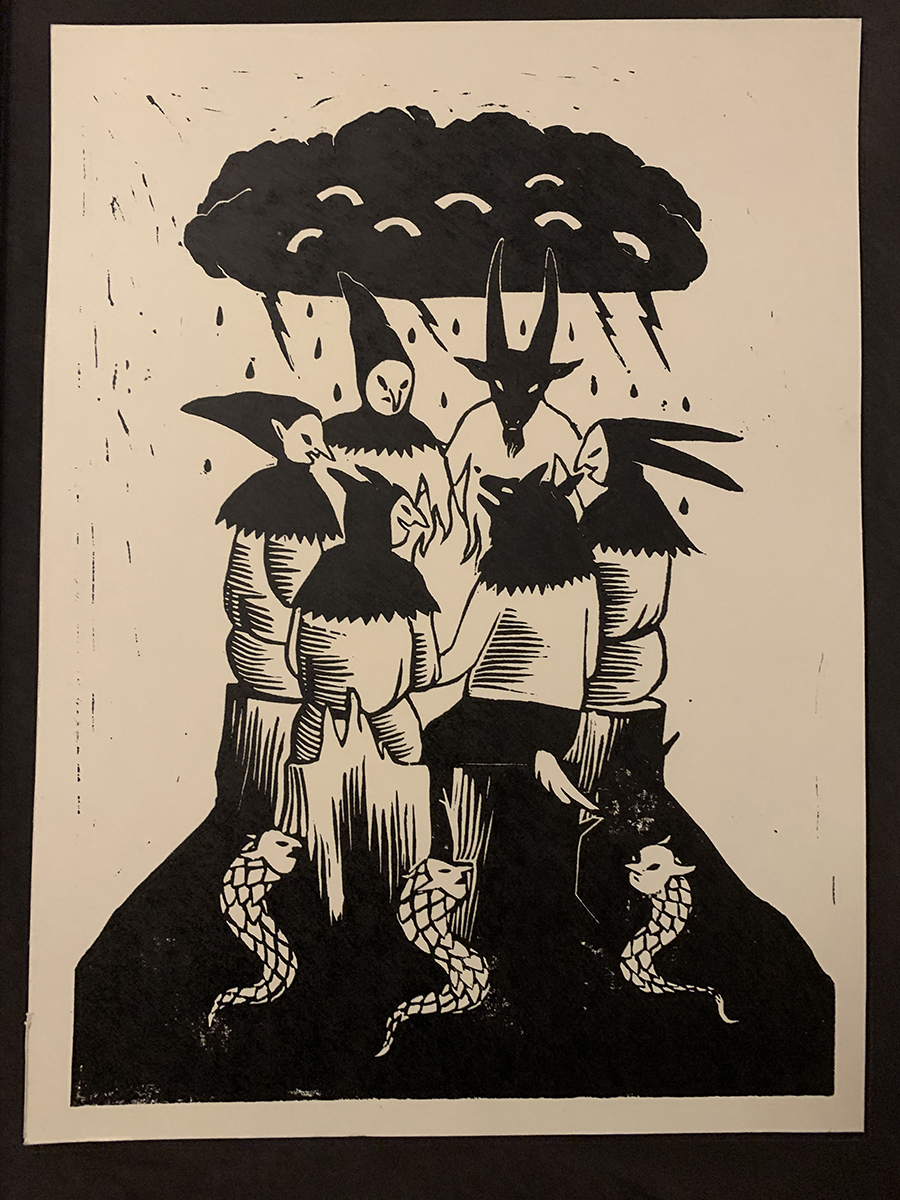
As a young artist, who grew up with those believes, who’s Carpathian grandmother and great-grandmother managed to preserve and practice the old craft, I feel responsible for translating all of it into art and texts that would tell our story, the story of magic, our traditional blossom, political persecutions and final resurrection, where the ancient craft would rise from the ashes yet again.
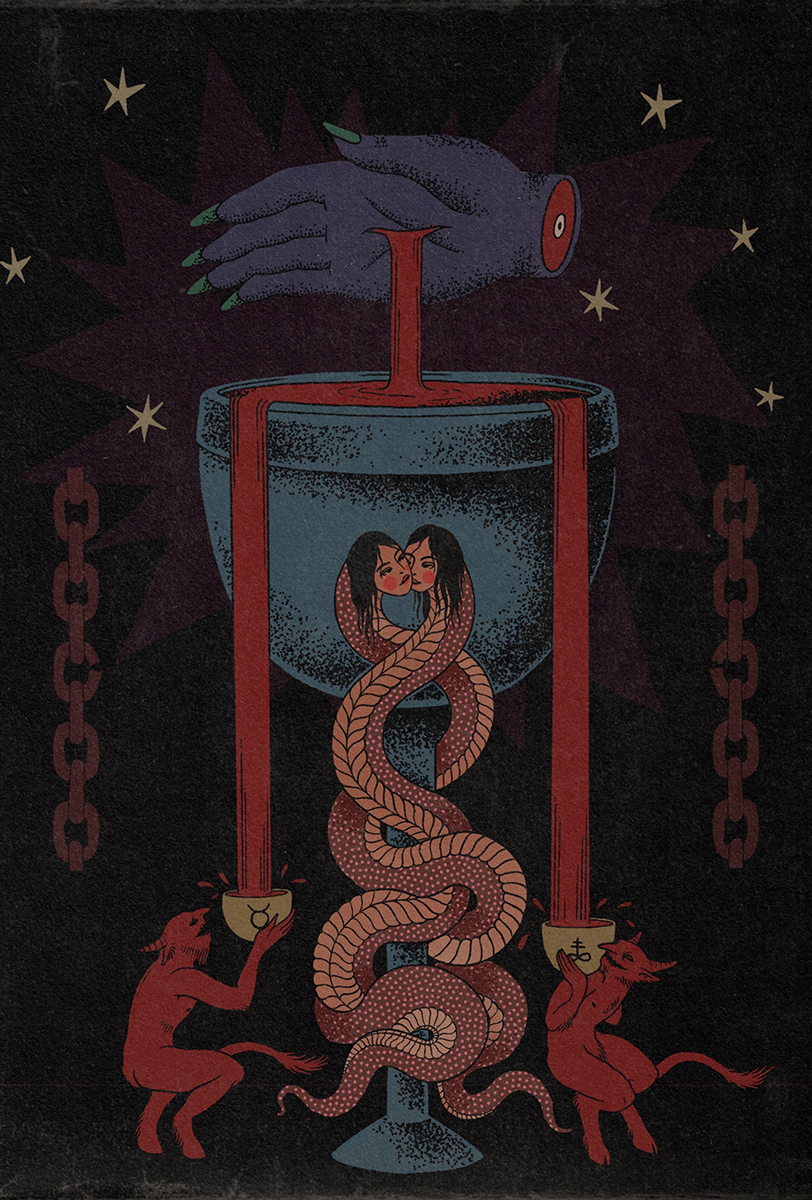
It’s not only the magical essence of our culture that is so inspiring to me, but also long line of pain and horrors that we all managed to resist for 400 years. Our family always talked about the horrors and pain that russia brought to us, it is third genocide in less than a century that has been brought upon us by this terrorist state and its genocidal people. Every last Ukrainian is a child of a family that miraculously survived Holodomor (Famine genocide) in 1932-1933, my great-grandfather was the only child of 10 that didn’t die of starvation. My grandparents were deported to the russian far east in 70s for supporting the democratic revolution of the Prague Spring (70s, not 20s or 30s, sometimes unimaginable not only for the western reader, but also for me), my mother grew up in extreme Siberian winters, where she almost died two times of lung infection with absolute absence of medical help for “people like them”.
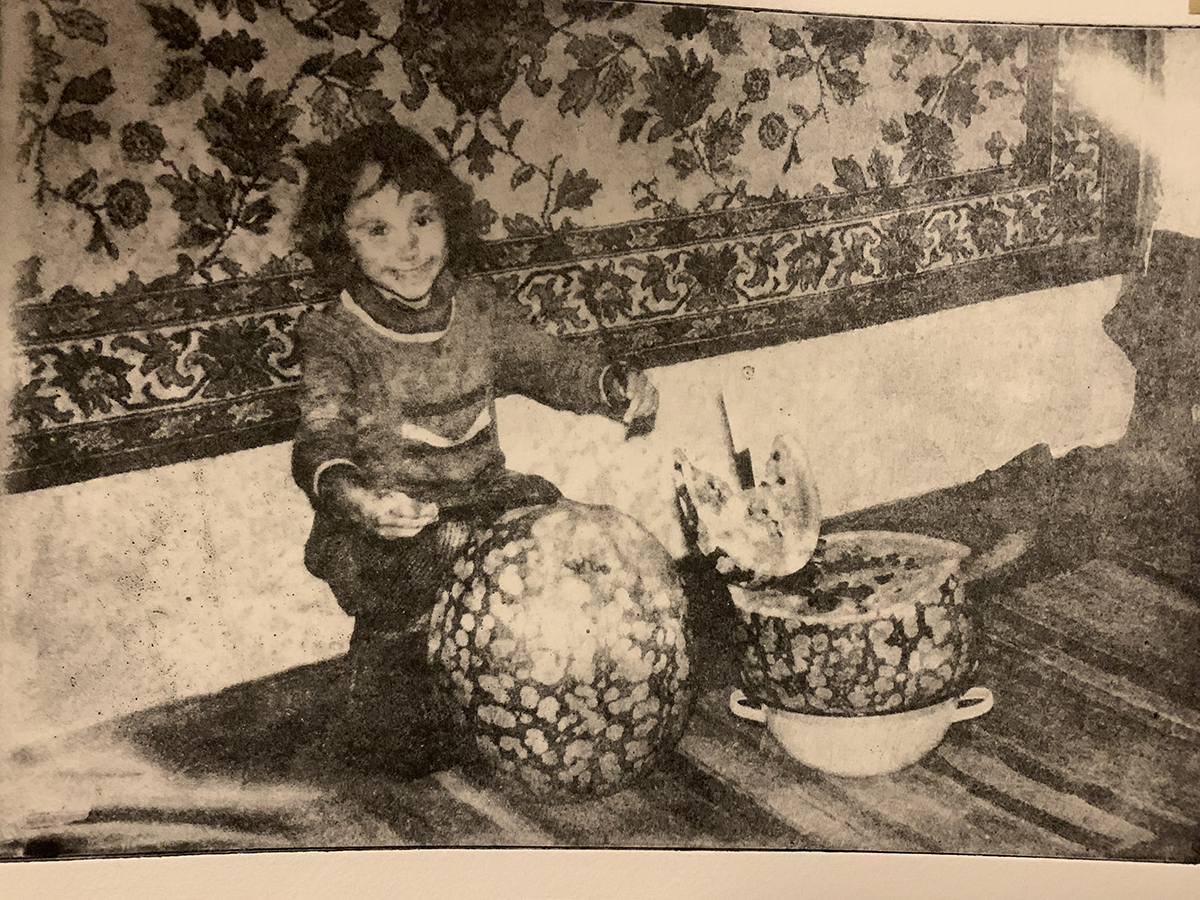
Everything that is happening now didn’t come as a big surprise for any of us, honestly, it would be even surprising if one generation of Ukrainians wouldn’t be scarred by russian fascists. At least now it’s not only us who can see and confront this imperial monster, because now, that the Iron curtain is gone (not for russia, tho) the whole world can see what everyone has been ignoring and appeasing for so long. It is old, unpunished evil. It has never been punished for it’s genocidal bloody imperial past, not for it’s bloody soviet times, not for the stalinist genocides and tyranny, not for it’s open wars on Georgia, Ichkeria, Syria, Ukraine…
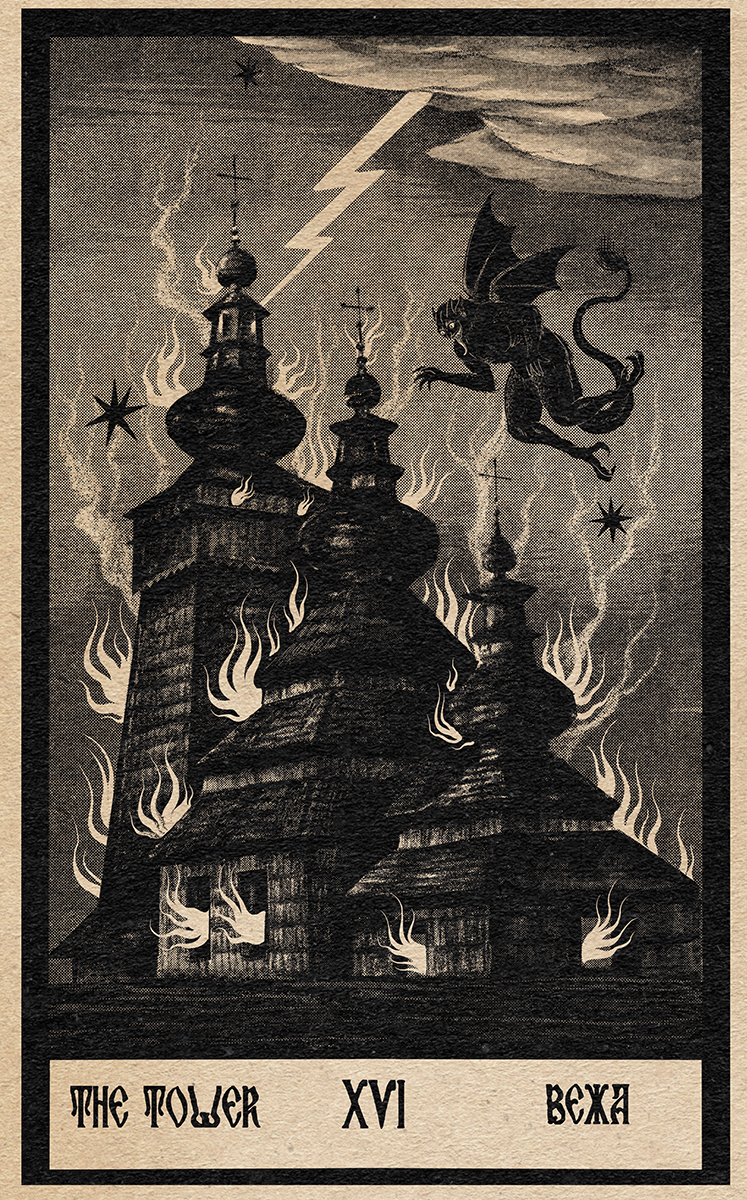
And the scariest part, that the population of it’s monster is 145 million. And every last one of them grew up believing in their “great past” and that they have absolutely nothing to reflect on or to be ashamed of. 80 percent of this population would cheer for the continuous murders of Ukrainians, they would call for genocide on the social media under the pictures of dismembered Ukrainian children. And the remaining 20 present, that would consider themselves “liberal”, would make fun of Ukrainians who want to speak Ukrainian language in Ukraine (funny, right? How dare Italians speak Italian in Italy, or Germans speak German in their country?), or who don’t want to have any russians whatsoever in our media space. But they keep on crawling into our safe spaces, trying to whitewash themselves, they keep on coming and trying to “teach us” how to live and how to forgive, because god forbid someone will say something ill of the russians.
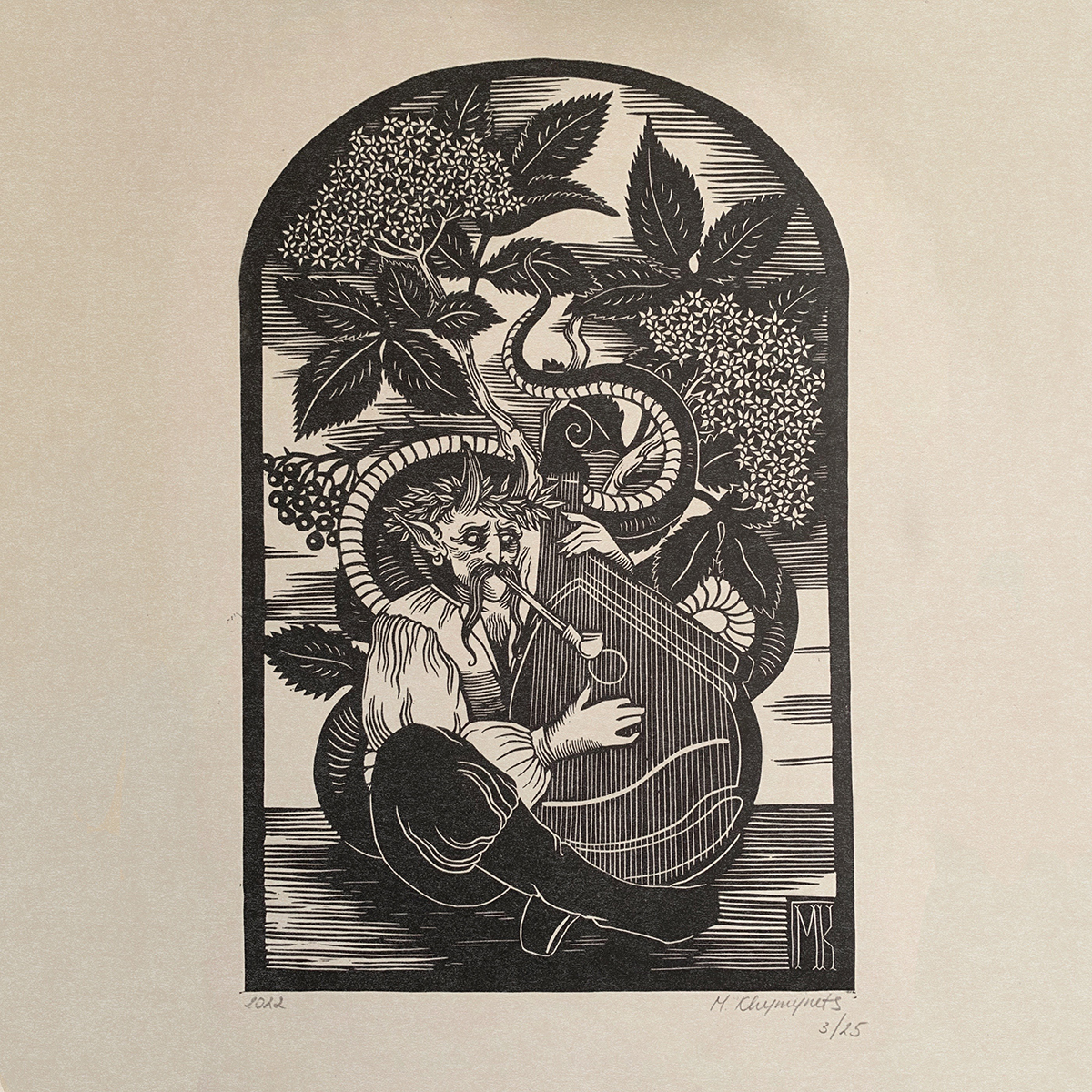
So now that we are here, I am, as many other Ukrainian artists, communicating through art, we create that safe space for ourselves and others, showing the rest of the world what our culture is all about and that it is worth your genuine interest. Our Gods are chthonic and ancient but oh so loving, our Ways are infested with blackthorn but we learned to love it and love the scars it gave us, we inhale the smoke from our sacred wheat fields, that are burning because of russian terrorists, and we are filled with love for those fields, love and fury, as we know that we, together with our ancestors, and our Gods will pay back for every spoiled grain, for every murdered Ukrainian.
Our ancient generational fury never had such a power as it has now. And after another page of fires and blood, we will rise again, just like our Gods did.